

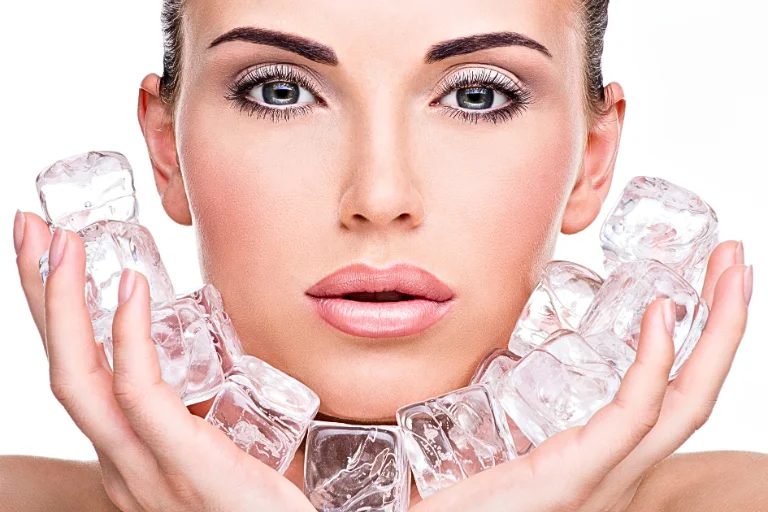
Amazing Benefits of Ice Massage on Skin: A Complete Guide
Introduction
Ice massage might sound like a minimalist beauty hack, but it’s an ancient, powerful skincare technique with transformative effects. From tightening pores to reducing puffiness and enhancing glow, ice massage is a simple yet potent natural therapy. This cooling treatment has gained immense popularity among beauty enthusiasts, influencers, and skincare experts across the world—and for good reason.
In this comprehensive 3000-word guide, we will explore the amazing benefits of ice massage on skin, how it works, the correct technique, who can benefit from it, and safety precautions. Whether you’re seeking clearer skin, reduced inflammation, or a radiant complexion, this guide will help you incorporate ice massage into your skincare routine effectively.
Table of Contents
- What Is Ice Massage?
- Historical and Cultural Background
- How Ice Massage Works on Skin
- Top 15 Benefits of Ice Massage for Skin
- Types of Ice Massage Techniques
- Best Time to Do Ice Massage
- Step-by-Step Guide to Ice Massage at Home
- Ice Massage for Different Skin Types
- Ice Massage Ingredients and Custom Cubes
- Dos and Don’ts
- Common Mistakes to Avoid
- Side Effects and Precautions
- FAQs
- Final Thoughts
1. What Is Ice Massage?
Ice massage involves rubbing an ice cube directly or wrapped in a cloth over the face or other skin areas for a few minutes. The cold temperature constricts blood vessels, reduces inflammation, soothes irritation, and boosts circulation. It is a natural, non-invasive, and chemical-free skincare treatment suitable for most skin types.
2. Historical and Cultural Background
The use of cold therapy, including ice, goes back centuries. Ancient civilizations used snow and ice for beauty and healing. In Ayurveda and Chinese medicine, cooling treatments have long been recognized for their balancing effects. Over time, beauty experts around the world discovered that applying ice to the skin helps reduce signs of aging, puffiness, and acne.
3. How Ice Massage Works on Skin
The cooling effect of ice works by:
- Constriction of blood vessels: Reduces blood flow to the surface, which minimizes puffiness and redness.
- Stimulation of blood circulation: After the skin warms up, it triggers increased blood flow for cell repair and glow.
- Nerve stimulation: Temporarily numbs irritated areas and reduces inflammation.
- Sebum control: Tightens pores and reduces excess oil secretion.
- Lymphatic drainage: Promotes detoxification and reduces fluid retention.
4. Top 15 Benefits of Ice Massage for Skin
1. Reduces Puffiness
Ice massage effectively reduces puffiness around the eyes and face, especially after waking up or during stressful times.
2. Shrinks Pores
Cold constricts skin and tightens pores, giving the skin a smoother appearance.
3. Brightens Complexion
Improved blood flow after the massage gives the face a natural, healthy glow.
4. Soothes Inflammation and Acne
Ice helps reduce redness, inflammation, and pain caused by acne or breakouts.
5. Reduces Dark Circles
Consistent ice massages can lighten dark under-eye circles and refresh tired eyes.
6. Combats Oiliness
Ice reduces sebum production, helping people with oily and acne-prone skin.
7. Delays Signs of Aging
Regular ice massages can reduce fine lines, boost collagen production, and improve skin elasticity.
8. Firms the Skin
With regular use, the tightening effect of cold therapy improves facial tone and firmness.
9. Soothes Sunburn
Ice calms sun-damaged skin and reduces discomfort and redness caused by UV exposure.
10. Improves Absorption of Skincare Products
Massaging with ice before applying serums or creams can help products penetrate better.
11. Reduces Skin Sensitivity
People with sensitive skin find relief from itching, irritation, or redness through regular ice massage.
12. Helps in Makeup Priming
It acts as a natural primer by tightening skin, minimizing pores, and helping makeup last longer.
13. Promotes Lymphatic Drainage
Ice massage helps in detoxifying the skin by aiding lymphatic flow and reducing water retention.
14. Heals Blemishes
The soothing effect of ice accelerates healing of scars, spots, and blemishes.
15. Relieves Headaches and Sinus Pressure
Though not directly related to skin, ice massage around the forehead and eyes can relieve headaches and sinus tension, improving overall facial relaxation.
5. Types of Ice Massage Techniques
- Direct Cube Method – Rubbing ice directly on the face.
- Cloth-Wrapped Ice – For sensitive skin, wrap ice in muslin or cotton.
- Ice Roller – A metal or silicone roller filled with water and kept frozen for ease of use.
- Frozen Infused Cubes – Ice cubes infused with ingredients like green tea, rose water, aloe vera, or cucumber for added benefits.
6. Best Time to Do Ice Massage
- Morning: Reduces puffiness and preps skin for makeup.
- Night: Helps calm skin after sun or pollution exposure.
- Post-cleansing: Tightens pores and helps serums absorb better.
- Ideal Frequency: 3-4 times a week or daily for oily/acne-prone skin.
7. Step-by-Step Guide to Ice Massage at Home
Step 1: Wash your face with a gentle cleanser and pat dry.
Step 2: Wrap an ice cube in a soft cloth or use an ice roller.
Step 3: Massage in circular motions over cheeks, chin, forehead, under the eyes, and jawline.
Step 4: Continue massaging for 1–2 minutes.
Step 5: Let your skin air dry for 5 minutes.
Step 6: Apply a serum or moisturizer.
8. Ice Massage for Different Skin Types
| Skin Type | Recommended Frequency | Add-ons |
|---|---|---|
| Oily | Daily or 5x/week | Green tea, lemon |
| Dry | 2–3x/week | Aloe vera, milk |
| Sensitive | 2x/week | Chamomile, cucumber |
| Combination | 3–4x/week | Rose water, honey |
| Acne-prone | Daily | Neem, tulsi-infused ice |
9. Ice Massage Ingredients and Custom Cubes
1. Green Tea Ice Cubes
Rich in antioxidants; fights acne and soothes redness.
2. Rose Water Ice
Tones skin and adds a natural glow.
3. Aloe Vera Ice
Hydrates and calms sunburned or inflamed skin.
4. Cucumber Ice
Refreshes, hydrates, and soothes sensitive skin.
5. Milk Ice
Brightens skin and provides nourishment.
6. Lemon Water Ice
Reduces oil and lightens blemishes (use with caution).
10. Dos and Don’ts
✅ Dos:
- Use freshly made cubes from purified water.
- Cleanse skin before ice massage.
- Follow up with a moisturizer.
- Massage in circular, upward motions.
❌ Don’ts:
- Don’t apply ice directly if you have sensitive skin.
- Don’t use ice for more than 2–3 minutes at once.
- Don’t use dirty water to make ice cubes.
- Avoid overdoing it—it can cause irritation or frostbite.
11. Common Mistakes to Avoid
- Skipping cleansing before massage – Can trap dirt in pores.
- Using unwrapped ice for too long – Can damage skin barrier.
- Not moisturizing afterward – Can dry out skin.
- Applying on broken or inflamed skin – Can worsen sensitivity.
12. Side Effects and Precautions
While ice massage is generally safe, be aware of potential side effects:
- Frostbite or redness if used too long or directly.
- Increased sensitivity in people with rosacea or eczema.
- Temporary numbness or tingling.
- Skin irritation from ingredients like lemon or harsh additives.
Precaution: Always patch test if using infused ice cubes.
13. Frequently Asked Questions (FAQs)
Q1: Can I do ice massage daily?
- Yes, especially if you have oily or acne-prone skin. For dry skin, limit to 2–3 times a week.
Q2: How long should an ice massage last?
- 1 to 3 minutes is enough. Prolonged use can damage the skin.
Q3: Is ice massage good for open pores?
- Yes, it helps tighten skin and temporarily reduce pore size.
Q4: Can I use ice massage for sunburn?
- Yes, but use aloe vera-infused ice cubes or wrap the ice in a cloth.
Q5: What age should one start ice massage?
- Anyone above 16 can benefit from ice massage.
14. Final Thoughts
Ice massage is one of the most underrated and cost-effective skincare therapies available to all. With regular use, this chilly but soothing treatment can transform dull and tired skin into a radiant, youthful glow. The best part? It’s chemical-free, completely natural, and can be customized with kitchen ingredients.
Whether you’re dealing with puffiness, acne, large pores, or just seeking a natural glow—ice massage is your friend. Make it a regular part of your routine and watch your skin thank you in return!

